
By: Luis Gerardo Ramírez Villela
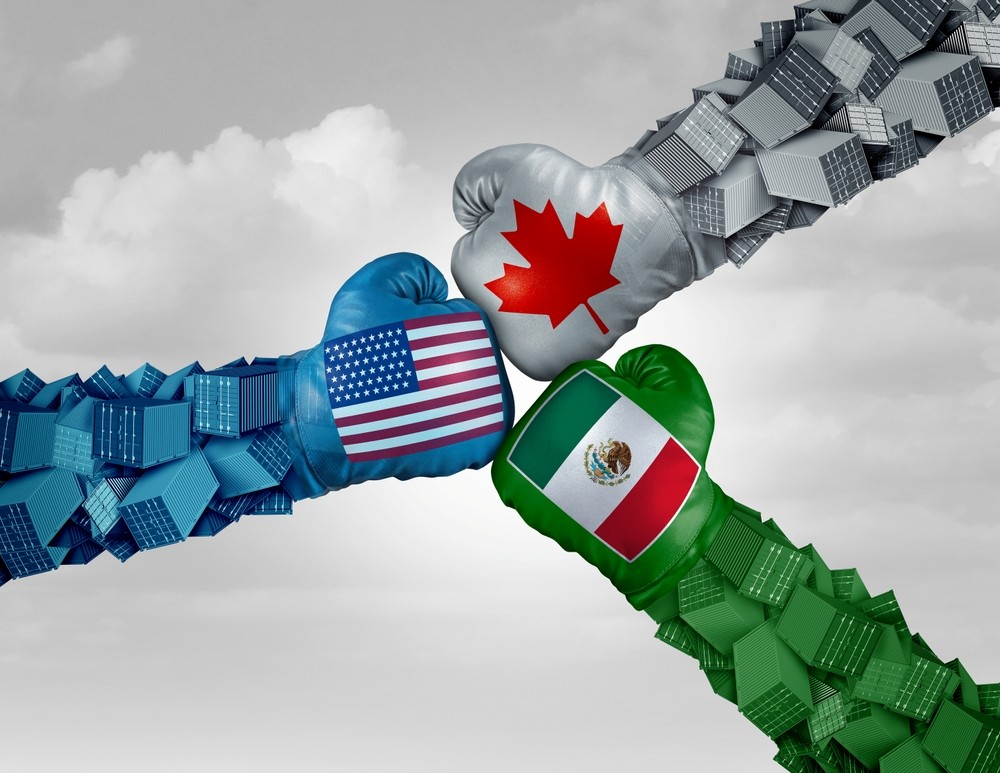
The United States-Mexico-Canada Agreement (USMCA) has been the subject of much discussion regarding its implications and potential future modifications since its implementation and, more recently, considering the midterm elections to be held on November 3, 2026.
The imposition of tariffs by the President of the United States has led not only to various adjustments and discussions among the three countries, but also to significant international disputes that have affected—and helped—trade relations between Mexico and Asian and European countries.
The review of its terms and conditions focuses on tariffs in different trade areas that have been affected from 2024 to the present, as well as on dispute resolution mechanisms, climate change, and the nearshoring process.
This review is becoming increasingly complex, and as negotiations progress, it appears that the benefits for Mexico are diminishing rather than increasing.
Each country is focused on safeguarding its own interests, which could lead to the scenario originally proposed by the United States: the dissolution of the trilateral treaty in favor of individual agreements among the three nations.
This outcome could potentially be advantageous for both Mexico and Canada, allowing them to establish agreements that foster mutual growth and adapt to current trends of nearshoring, as well as the changing global climate, economic, and political landscape.
However, the upcoming midterm elections in the United States will undoubtedly affect government considerations regarding the continuation of the USMCA, particularly given the protectionist policies in the United States.
Ultimately, regardless of the agreements reached, trade between the United States and Mexico will continue to reflect the advantages the former derives from Mexico, which could make direct negotiations more feasible.
Most importantly, we must be prepared in case of a renegotiation of the USMCA or its termination and negotiation of bilateral agreements, which will involve changes in the structure of foreign trade operations and operational modifications in the applicable legislation.